
On July 11, I did something I’d been talking myself into (and out of) for months.
I participated in my very first art fair!
I intentionally chose a smaller, half-day event because I knew my first experience wasn’t about making as many sales as possible—it was about learning and testing. I wanted to test my booth setup, pricing, transportation, displays, payment methods, and all the little details you can’t really figure out until you’re standing behind your own table.
Looking back now, I learned far more than I expected—not just about running an art fair booth, but about myself as an artist and as a person.
Months of Worry and Procrastination
Before I ever started planning my booth, I had to convince myself to register.
That honestly turned out to be the hardest part.
For months, I talked myself into signing up, only to talk myself right back out of it again. Every time I felt ready, another question would creep into my mind.
What if no one stopped at my booth?
What if people asked questions I couldn’t answer?
What if they wanted to negotiate every price?
What if I couldn’t explain what I make?
What if my work just wasn’t good enough?
What if I didn’t have enough items?
I’d had experiences in the past that hadn’t exactly filled me with confidence, so it was easy to imagine this fair going the same way.
If I’m honest, I think I was waiting until I felt completely ready.
The problem is, that moment never came.
Eventually, I realized that no amount of planning was going to answer those questions or make me feel any more confident in my readiness. The only way to find out was to register and show up.

Months of Preparation
Once I committed, my focus shifted.
Instead of worrying about whether I should do the fair, I started preparing for it.
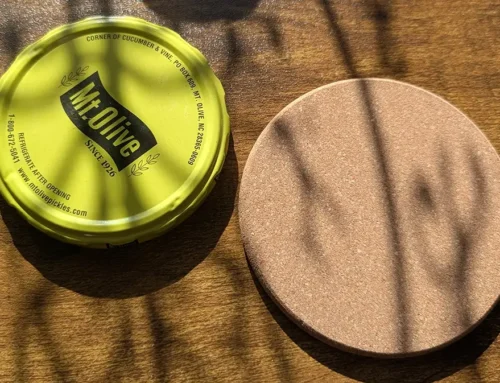
I worked on finishing my first wind chimes, tested coaster designs made from jar lids I’d been saving, gathered booth supplies, designed business cards, figured out pricing, learned how to accept card payments, and tried several times to get the tent up all by my short self. I tell you, it’s not easy to push a tent up at 5’2″.
There were dozens of little decisions I hadn’t even considered before I started preparing.
How should I group my products for pricing?
How do I transport fragile glass?
What should my pricing be?
Would it all even fit in my car?
How much inventory was enough?
Looking back, it’s amazing how much work goes into preparing for a single day.
What Surprised Me Most
Ironically, the things I worried about the most barely happened.
I expected to struggle with talking to people. I’m a shy and naturally introverted person, and at previous small events I’d done, like community rummage sales, I’d barely been able to make eye contact with people, never mind talk to anyone.
Instead, I found myself genuinely enjoying the conversations. I was even starting conversations and calling out to people around me.
People weren’t trying to criticize my work or negotiate every price. They were curious. They wanted to know how the pieces were made, what they could be used for, and sometimes they simply wanted to tell me which one was their favorite.
I even found myself asking another vendor for pricing advice—something I never would have imagined myself doing just a few months earlier.
Instead of feeling like I had to defend my work, I found myself simply sharing it.
That was probably the biggest surprise of the entire day.

What Worked
Not everything was perfect, but quite a few things worked better than I’d expected.
My pricing felt approachable, though I have been told I might have gone a bit too low. For me, though, it was a good starting point for my first fair.
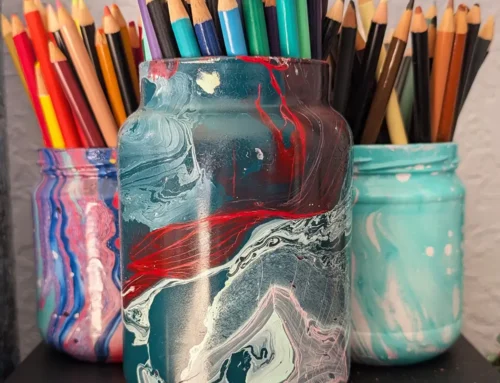
Having a variety of products gave people different ways to engage with my booth. I also made sure to bring items I use with my own jars to style them and show how everything could be used, making it easier for people to imagine my pieces in their own spaces.
Business cards made it easy for people to take my information even if they weren’t ready to buy.
Most importantly, I learned that people often see possibilities I hadn’t even thought of for my pieces. Hearing how someone else imagined using something was one of the most enjoyable parts of the day. Probably one of the cutest moments was hearing that someone planned to use one of my wind chimes in her granddaughter’s nursery.
What I’ll Change Next Time
Of course, no first event is perfect.
Now that I’ve done one fair, I’ve got a growing list of ideas and questions for the next.
Should I get a sign for my booth?
Can I improve the flow and design of my display?
Which products attracted the most attention, even if they didn’t sell?
Which products deserve more development before the next event?
How much inventory should I actually bring?
How can I streamline my pricing?
Those are questions I couldn’t really answer beforehand.
Now I can start to.

Was It a Success?
In the end, I consider this fair a success.
I was able to transport everything and set up my booth by myself. I ran the booth on my own, talked and interacted with visitors and other vendors—which is normally very difficult for me—and sold a few items along the way.
I also got to talk with fellow artists about my process, their work, and their own experiences at fairs. More than anything, I learned a lot about myself and what I’m capable of when I stop overthinking long enough to actually do the thing.
I also learned one very important universal truth: no matter what, somehow the car will be smaller when you’re trying to leave.
I swear everything fit when I got there, but when it was time to pack up, suddenly nothing wanted to go back in the same way.
Looking Ahead
One thing this fair taught me is that experience answers questions that planning never can.
There are still plenty of things I want to improve, new products I want to experiment with, and displays I want to refine.
But instead of wondering whether I should do another art fair, I’m already thinking about how to make the next one even better.
And I think that’s the biggest lesson I could have taken away from my first one.
On July 11, I did something I’d been talking myself into (and out of) for months.
I participated in my very first art fair!
I intentionally chose a smaller, half-day event because I knew my first experience wasn’t about making as many sales as possible—it was about learning and testing. I wanted to test my booth setup, pricing, transportation, displays, payment methods, and all the little details you can’t really figure out until you’re standing behind your own table.
Looking back now, I learned far more than I expected—not just about running an art fair booth, but about myself as an artist and as a person.
Months of Worry and Procrastination
Before I ever started planning my booth, I had to convince myself to register.
That honestly turned out to be the hardest part.
For months, I talked myself into signing up, only to talk myself right back out of it again. Every time I felt ready, another question would creep into my mind.
What if no one stopped at my booth?
What if people asked questions I couldn’t answer?
What if they wanted to negotiate every price?
What if I couldn’t explain what I make?
What if my work just wasn’t good enough?
What if I didn’t have enough items?
I’d had experiences in the past that hadn’t exactly filled me with confidence, so it was easy to imagine this fair going the same way.
If I’m honest, I think I was waiting until I felt completely ready.
The problem is, that moment never came.
Eventually, I realized that no amount of planning was going to answer those questions or make me feel any more confident in my readiness. The only way to find out was to register and show up.
Months of Preparation
Once I committed, my focus shifted.
Instead of worrying about whether I should do the fair, I started preparing for it.
I worked on finishing my first wind chimes, tested coaster designs made from jar lids I’d been saving, gathered booth supplies, designed business cards, figured out pricing, learned how to accept card payments, and tried several times to get the tent up all by my short self. I tell you, it’s not easy to push a tent up at 5’2″.
There were dozens of little decisions I hadn’t even considered before I started preparing.
How should I group my products for pricing?
How do I transport fragile glass?
What should my pricing be?
Would it all even fit in my car?
How much inventory was enough?
Looking back, it’s amazing how much work goes into preparing for a single day.
What Surprised Me Most
Ironically, the things I worried about the most barely happened.
I expected to struggle with talking to people. I’m a shy and naturally introverted person, and at previous small events I’d done, like community rummage sales, I’d barely been able to make eye contact with people, never mind talk to anyone.
Instead, I found myself genuinely enjoying the conversations. I was even starting conversations and calling out to people around me.
People weren’t trying to criticize my work or negotiate every price. They were curious. They wanted to know how the pieces were made, what they could be used for, and sometimes they simply wanted to tell me which one was their favorite.
I even found myself asking another vendor for pricing advice—something I never would have imagined myself doing just a few months earlier.
Instead of feeling like I had to defend my work, I found myself simply sharing it.
That was probably the biggest surprise of the entire day.
What Worked
Not everything was perfect, but quite a few things worked better than I’d expected.
My pricing felt approachable, though I have been told I might have gone a bit too low. For me, though, it was a good starting point for my first fair.
Having a variety of products gave people different ways to engage with my booth. I also made sure to bring items I use with my own jars to style them and show how everything could be used, making it easier for people to imagine my pieces in their own spaces.
Business cards made it easy for people to take my information even if they weren’t ready to buy.
Most importantly, I learned that people often see possibilities I hadn’t even thought of for my pieces. Hearing how someone else imagined using something was one of the most enjoyable parts of the day. Probably one of the cutest moments was hearing that someone planned to use one of my wind chimes in her granddaughter’s nursery.
What I’ll Change Next Time
Of course, no first event is perfect.
Now that I’ve done one fair, I’ve got a growing list of ideas and questions for the next.
Should I get a sign for my booth?
Can I improve the flow and design of my display?
Which products attracted the most attention, even if they didn’t sell?
Which products deserve more development before the next event?
How much inventory should I actually bring?
How can I streamline my pricing?
Those are questions I couldn’t really answer beforehand.
Now I can start to.
Was It a Success?
In the end, I consider this fair a success.
I was able to transport everything and set up my booth by myself. I ran the booth on my own, talked and interacted with visitors and other vendors—which is normally very difficult for me—and sold a few items along the way.
I also got to talk with fellow artists about my process, their work, and their own experiences at fairs. More than anything, I learned a lot about myself and what I’m capable of when I stop overthinking long enough to actually do the thing.
I also learned one very important universal truth: no matter what, somehow the car will be smaller when you’re trying to leave.
I swear everything fit when I got there, but when it was time to pack up, suddenly nothing wanted to go back in the same way.
Looking Ahead
One thing this fair taught me is that experience answers questions that planning never can.
There are still plenty of things I want to improve, new products I want to experiment with, and displays I want to refine.
But instead of wondering whether I should do another art fair, I’m already thinking about how to make the next one even better.
And I think that’s the biggest lesson I could have taken away from my first one.
Leave A Comment Cancel reply
Inside the Cauldron
No spam. Just art, ideas, and experimentation.
Sign up for the Prismatic Cauldron newsletter for blog updates, new artwork, behind-the-scenes process, and the occasional creative rant—delivered straight to your inbox.